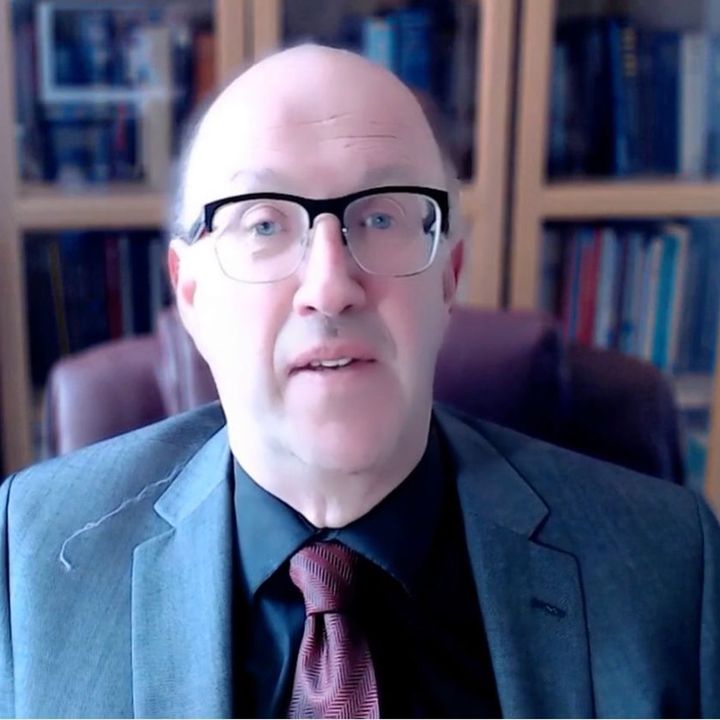
Click on Play (>) to watch the video
Read a transcript
Treatments like chemotherapy, radiotherapy, and surgery cause distinct challenges in a regular working day.
They can lead to extreme fatigue: this is not standard tiredness: it is a profound, crushing exhaustion that sleep does not fix. It severely impacts concentration, decision-making, and physical stamina.
Chemotherapy can weaken the immune system causing a condition known as neutropenia. It wipes out white blood cells. A common cold from a colleague could land an employee in the hospital with a life-threatening infection.
Brain fog or chemo brain can be a genuine problem. Patients often experience temporary cognitive changes, including memory lapses, difficulty multi-tasking, and trouble finding the right words. Peripheral neuropathy is nerve damage from chemotherapy. It can cause numbness, tingling, or pain in the hands and feet. This can make physical tasks, standing for long periods, or even typing on a keyboard incredibly difficult.
Gastrointestinal changes can lead to nausea, sudden changes in appetite, or a sudden need to use the bathroom frequently are common across multiple treatments.
One patient’s experience
Here is one patient’s experience of living with cancer and cancer treatment from the US, that was published as:
Murphy NK. Ten Months: One Patient’s Story of Stage IV Cancer. Oncologist. 2017 Oct;22(10):1278-1280. doi: 10.1634/theoncologist.2017-0114. Epub 2017 May 5. PMID: 28476942; PMCID: PMC5634760.
It is a powerful account, but you may find the details distressing. To proceed to read the article, click on the button below: