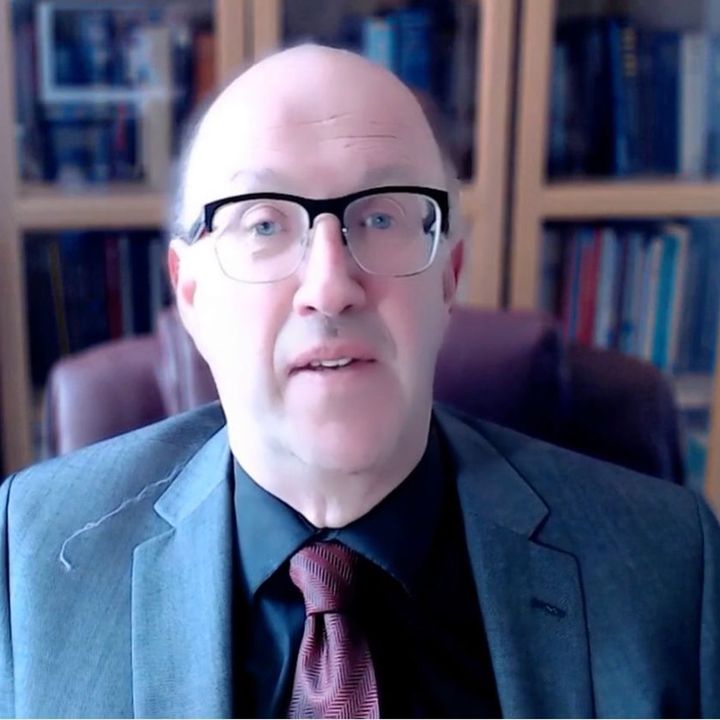
Click on Play (>) to watch the video
Designating a single, dedicated point of contact is one of the most effective structural adjustments an organisation can make to support an employee navigating a cancer diagnosis. When an individual is managing the profound physical and emotional toll of treatment, the last thing they have the energy for is navigating complex corporate hierarchies or repeating their medical vulnerability to multiple departments. By establishing a central contact person—typically a trusted line manager or a specific HR representative—the organisation creates a streamlined communication channel. This person acts as a supportive buffer and internal advocate, handling all coordination regarding occupational health, payroll, and schedule adjustments behind the scenes. Instead of the employee having to field questions from various colleagues or chase down different forms while resting at home, they know exactly who to reach out to for any question, drastically reducing their administrative burden and giving them immense peace of mind. This single-point-of-contact system also plays a vital role in protecting the employee’s privacy and emotional well-being. Having to explain the intimate, challenging details of side effects, treatment schedules, and surgical recoveries over and over again to different people can be deeply draining and humiliating. A dedicated contact person ensures that the employee only has to tell their story once to someone they trust, who can then translate those medical needs into practical workplace adjustments for the wider team without disclosing sensitive personal details. Furthermore, this dynamic ensures that communication remains entirely consistent. It prevents conflicting messages about workload expectations, eliminates mixed signals from different managers, and allows the organisation to deliver a cohesive, unified message of support that respects the employee’s boundaries and preserves their energy for recovery. Finally, establishing a clear point of contact provides essential continuity and stability throughout a highly unpredictable journey. Cancer treatment plans often change rapidly based on clinical results, meaning that an employee’s capacity to work can shift from week to week. A dedicated contact person is uniquely positioned to build a deep, ongoing understanding of the employee’s specific situation, allowing them to adjust workflows, phased return schedules, and remote-working parameters dynamically without requiring a full re-evaluation each time. This continuous relationship fosters a deep sense of psychological safety, reassuring the returning colleague that they are genuinely cared for as a person. It ensures that as their health fluctuates, the workplace response remains flexible, compassionate, and seamlessly coordinated, keeping them connected to the team on their own terms. Read a transcript
López-Faneca et al carried out a systematic review in 2025 of factors affecting returning to work for cancer patients. The study highlights three key issues where a central point of conatct can help:
The study identifies a widespread lack of clear protocols, legal uncertainty, and poor coordination between the employer, employee, and healthcare system as major obstacles to returning to work. Cancer survivors frequently report being unaware of their rights and benefits , leaving them vulnerable to financial distress, pressure to return prematurely, or fear of dismissal. A single point of contact bridges this gap by offering direct guidance on rights benefits and adjustments.
Workplace flexibility including phased returns, adjusted workloads, and modified tasks is one of the strongest facilitators for a successful return to work. Conversely, rigid work conditions and unsupportive environments serve as major barriers. Effective communication channels are critical. A dedicated point of contact helps translate medical needs into realistic workplace modifications, streamlining direct communication between the worker, occupational health, and management.
Returning to work is not just a clinical issue; it is a complex intersection of clinical factors such as severe fatigue, pain, treatment consequences and side effects; psychological factors such as anxiety, fear of recurrence, loss of work identity; and occupational and financial factors such as physical job demands and loss of income. Because these factors overlap, the study calls for personalised, individualized intervention programs rather than “one-size-fits-all” approaches. A dedicated contact person can act as the anchor for these personalized plans, ensuring systematic screening for work-related needs and timely referrals to occupational health or psychosocial support.
The source
López-Faneca, L., Ruiz-Frutos, C., Gómez-Salgado, J., Fagundo-Rivera, J., Palomo-Gómez, R., Allande-Cussó, R., Ruger-Navarrete, A., Macías-Toronjo, I., & García-Iglesias, J. J. (2025). Prognostic factors affecting return to work in cancer patients: a systematic review. Occupational and environmental medicine, 82(6), 305–312. https://doi.org/10.1136/oemed-2025-110212