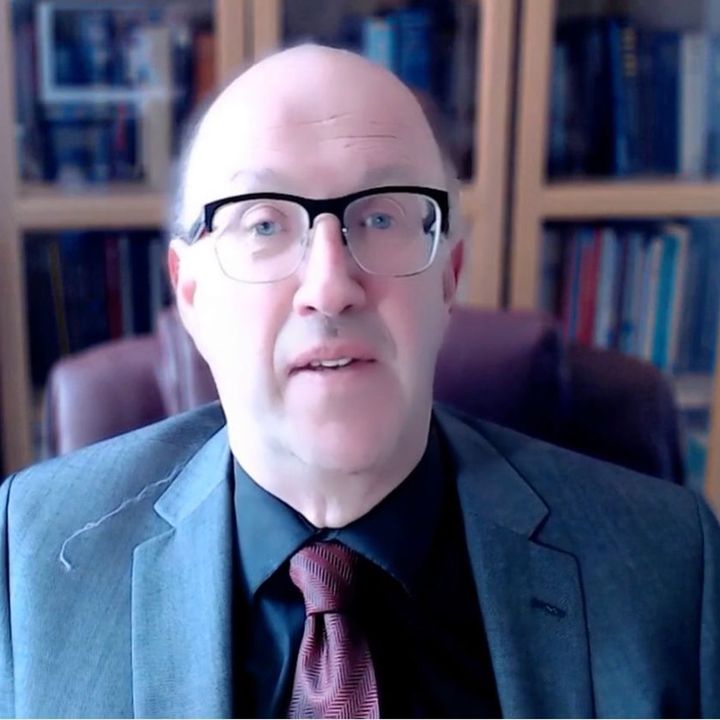
Click on Play (>) to watch the video
One of the most significant hurdles a colleague faces when returning to work after cancer treatment is the internal fear of being perceived as “damaged goods” or a professional liability. After months of being viewed primarily through the lens of a medical patient, regaining their identity as a skilled, capable professional is a crucial part of their recovery. To guard this professional identity, it is vital to explicitly value their expertise. You should continue to actively seek their input on key projects, invite them into strategic discussions, and respect their professional opinions exactly as you did before their absence. Treating them as the valuable asset they are helps dismantle their anxieties and reinforces their confidence in their own abilities. At the same time, it is crucial not to over-protect a returning colleague without their explicit consent. While it usually comes from a place of genuine kindness, inadvertently leaving them off email chains, reassigning their core responsibilities, or passing them over for a challenging new project “to save them from stress” can actually feel incredibly alienating and demoralising. Instead of making assumptions about their limitations, always grant them the autonomy to decide what they can handle. A highly effective way to navigate this is by presenting opportunities transparently and letting them gauge their own bandwidth, using an approach such as: “We have this new project starting up, and I’d love your brain on it, but only if you feel you have the capacity right now. There is absolutely no pressure either way.” . This preserves their professional dignity while leaving the door wide open for them to manage their workload safely. .Read a transcript